Game engine work
Cities: Skylines II
Engine work on a large-scale city simulator: managing tens of thousands of simultaneous agents and optimizing Unity Engine for massive simulation.
Screenshots
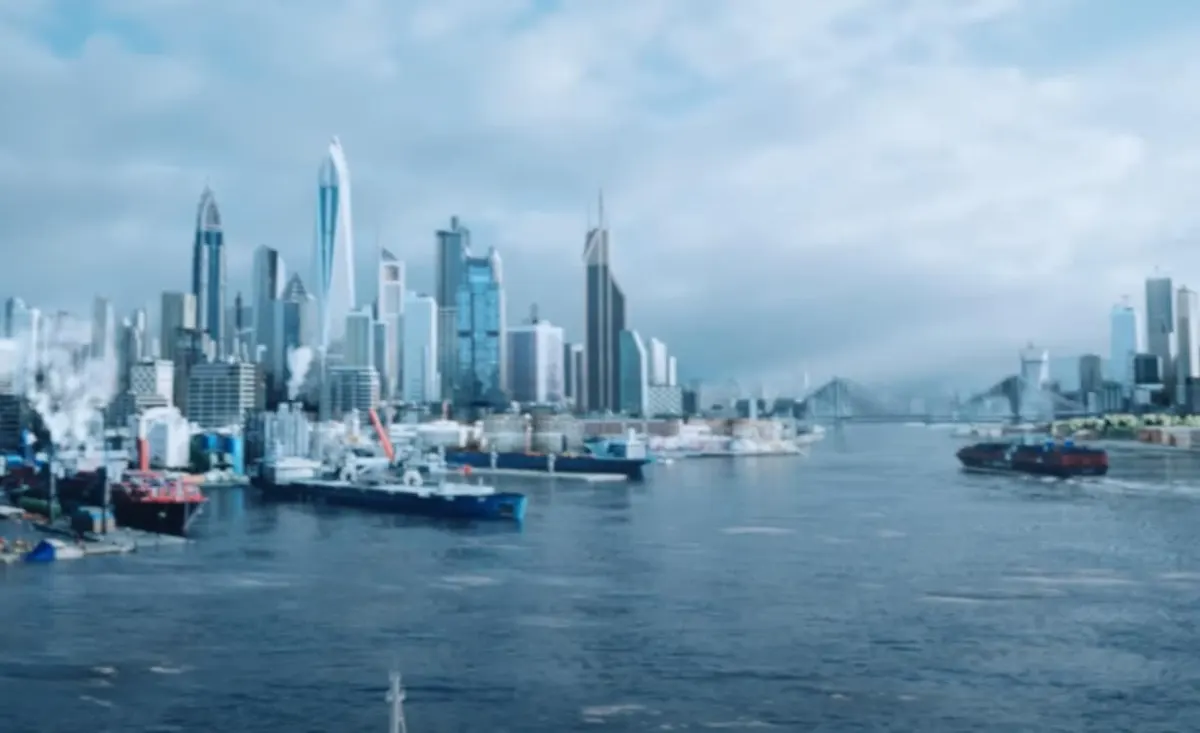
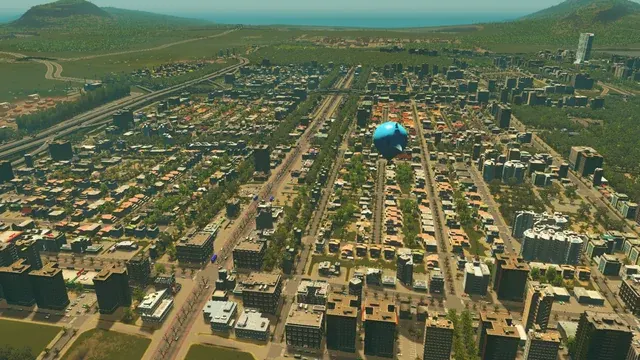
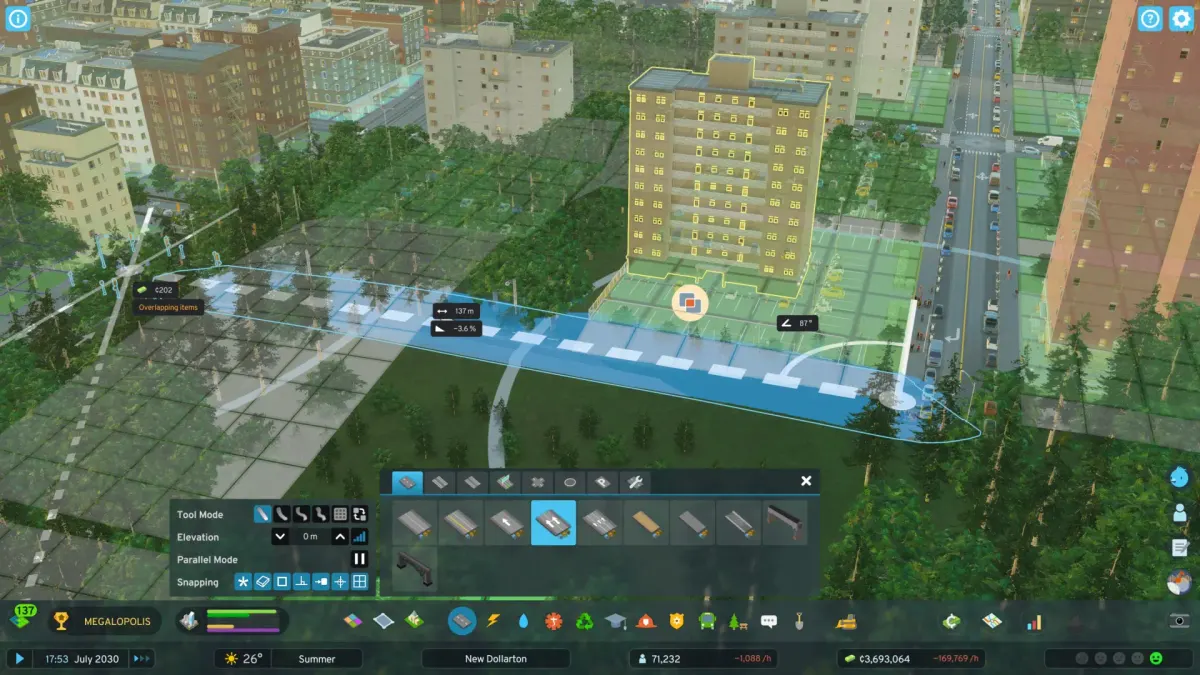
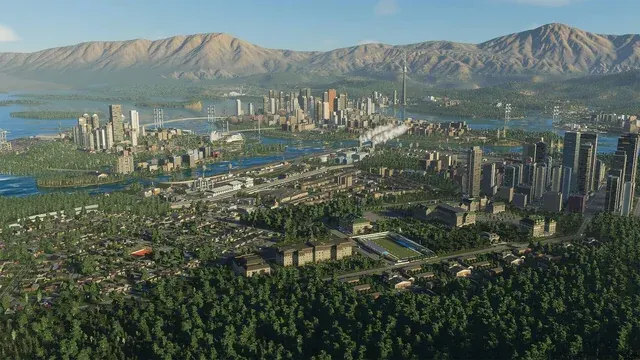
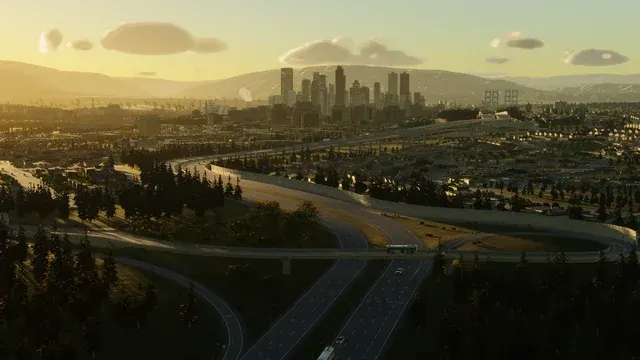
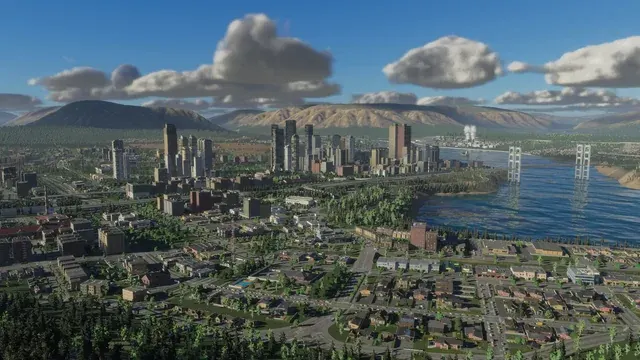
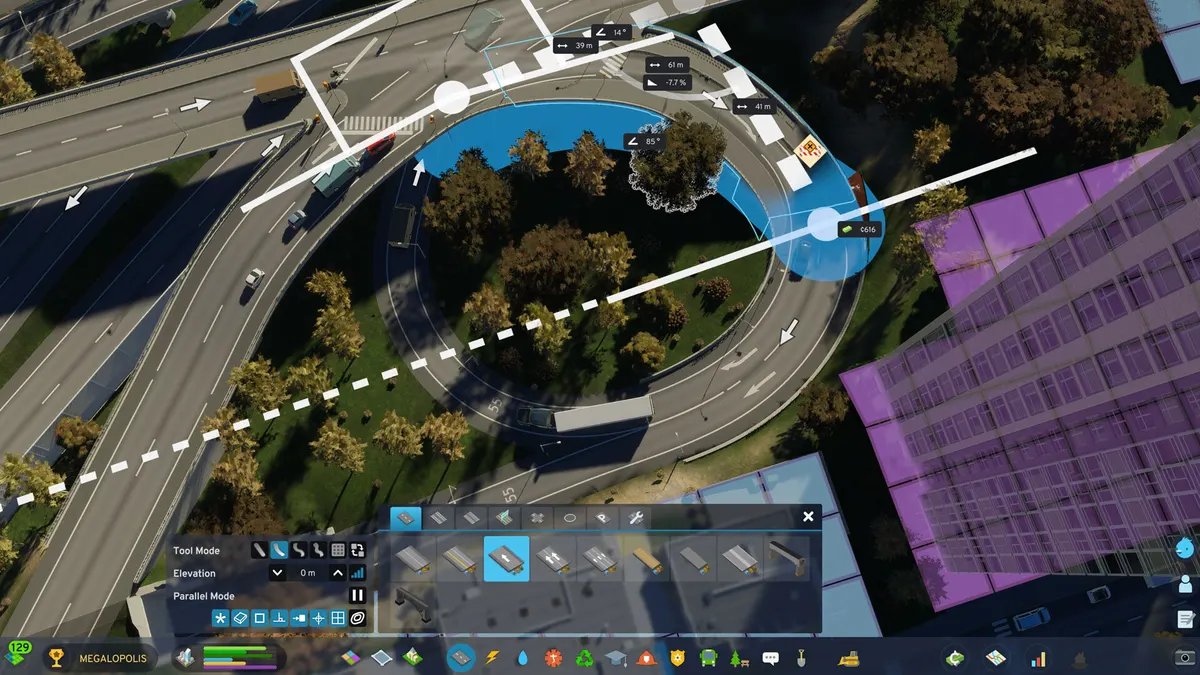
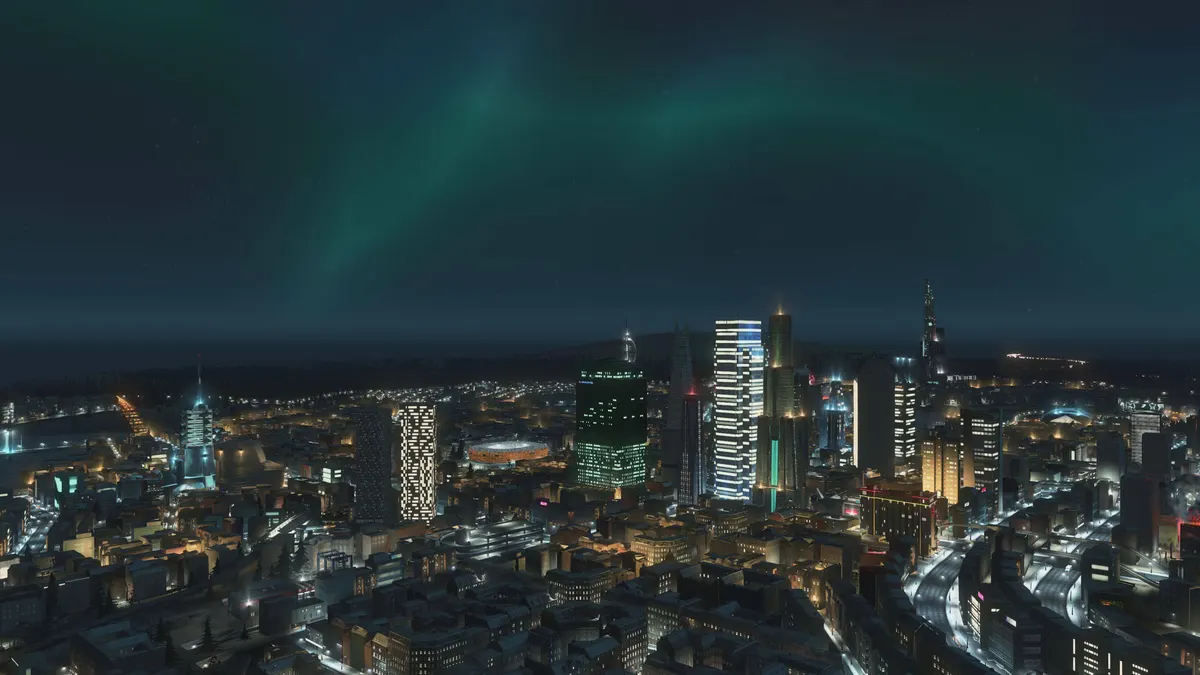
Screenshots and promotional images provided for this case study — © Paradox Interactive / Colossal Order.
About the game
Cities: Skylines II is the sequel to the most-played city-building simulator in its genre, originally developed by Colossal Order and published by Paradox Interactive. It simulates thousands of individual citizens, each with their own routine, job, and commute, on a map that can grow into a full metropolis.
What is "the engine" in a simulator like this?
The engine is the software underneath the game: it doesn't decide what a building looks like or what taxes city hall charges — it decides how every frame gets rendered, how each car moves through its lane, how much memory each simulated citizen takes up, and when to stop drawing a distant building to save resources. The game is the rules; the engine is what makes those rules run 30 or 60 times a second without choking the computer. Here it also has to sustain an entire city, calculating every car's route, every citizen's commute, and every public service's load, frame by frame — all at once, without the game slowing down as the map grows. It's the genre's toughest performance problem: the more agents it simulates, the more expensive every frame gets.
A launch with plenty of performance problems
Cities: Skylines II launched on PC on October 24, 2023, to a rocky reception: even on high-end graphics cards the framerate would tank, there was constant stuttering as the map grew, and the console version had to be delayed — it still doesn't have a confirmed date. A big part of the problem came down to how the engine handled level of detail (LOD) and culling: distant models weren't simplified in time, and things off-screen weren't stopped from being drawn, so every frame carried more geometry than it needed to.
Colossal Order — and, since Iceflake Studios took over development in 2026, them too — responded with near-weekly performance patches for months, and publicly committed to not shipping paid content until it was fixed. That's exactly where our engine work came in: decongesting that LOD and culling bottleneck without shrinking the scale of the simulation — more agents per frame, not fewer, just without each one costing as much as it did at launch.
That promise didn't fully hold: the first paid content, the Beach Properties asset pack, shipped on March 25, 2024 with performance still not fully resolved — the community backlash was so bad that Colossal Order pulled it from sale weeks later and made it free. The "Economy 2.0" update (June 2024) and a run of patches focused on per-character LOD and mesh batching marked, month by month, the real path to a game that today performs well above where it did at launch.
Sources: console version delay, Beach Properties pulled and made free.
Our engine work
Available on
← Back to Gabriel Díaz Bernal